

Acoustic Engineering
Acoustic engineering, from driver to finished system.
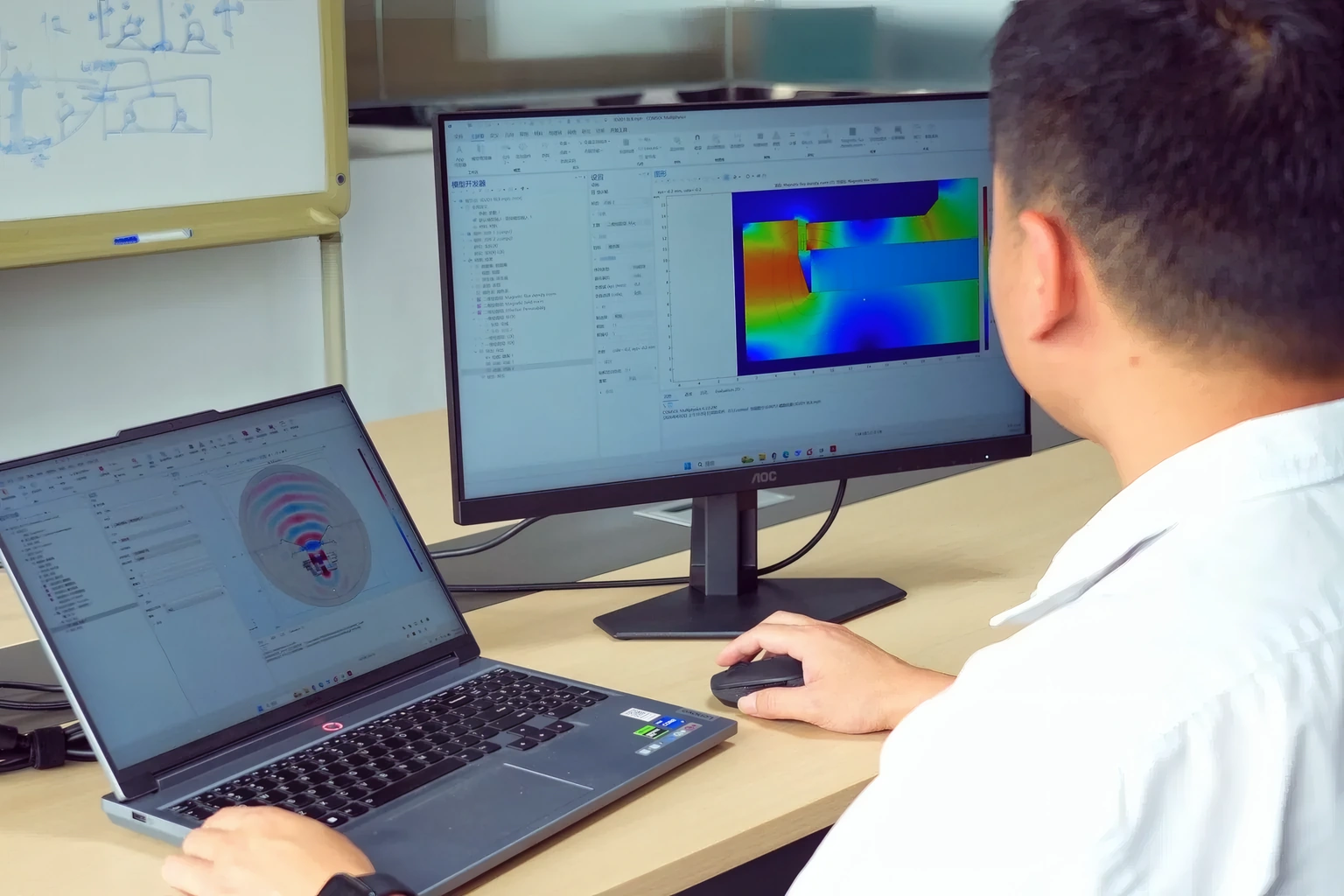
We design drivers in-house and tune them into complete systems, verified with COMSOL simulation, Klippel analysis and anechoic measurement.
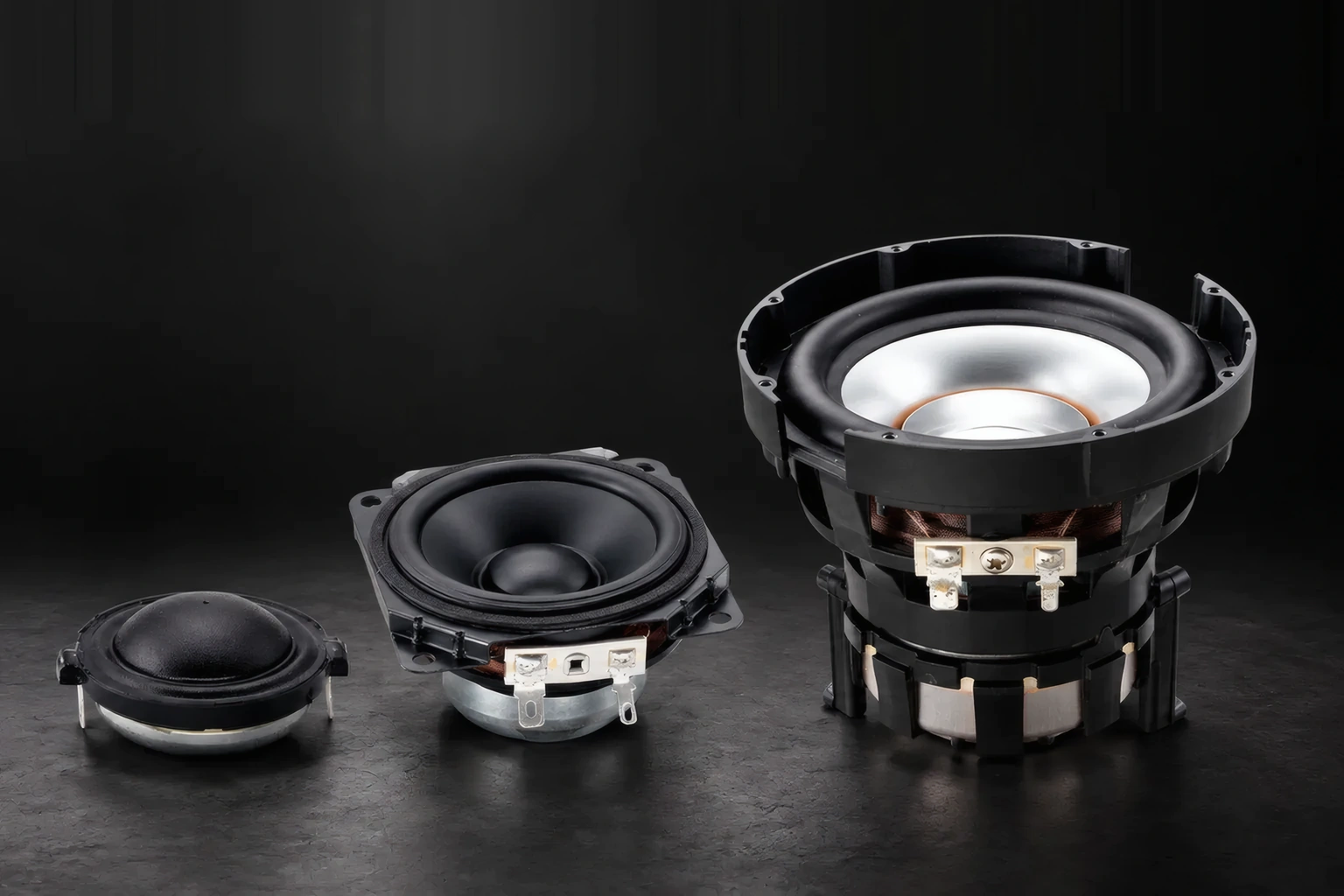
Development starts from your sound target.
How a product sounds depends on the driver, the cabinet and the signal processing working as one system. Our acoustic team starts from your sound target, size and cost limits, and develops all three together while the design is still flexible.
The same engineers stay with the program from the first simulation to production, where measurement targets become the fixtures and checks used on the line.
What We Do
Four connected areas of acoustic work.
Each area can be engaged on its own. Most programs use them together, so decisions about the driver, the cabinet and the tuning support each other.
-
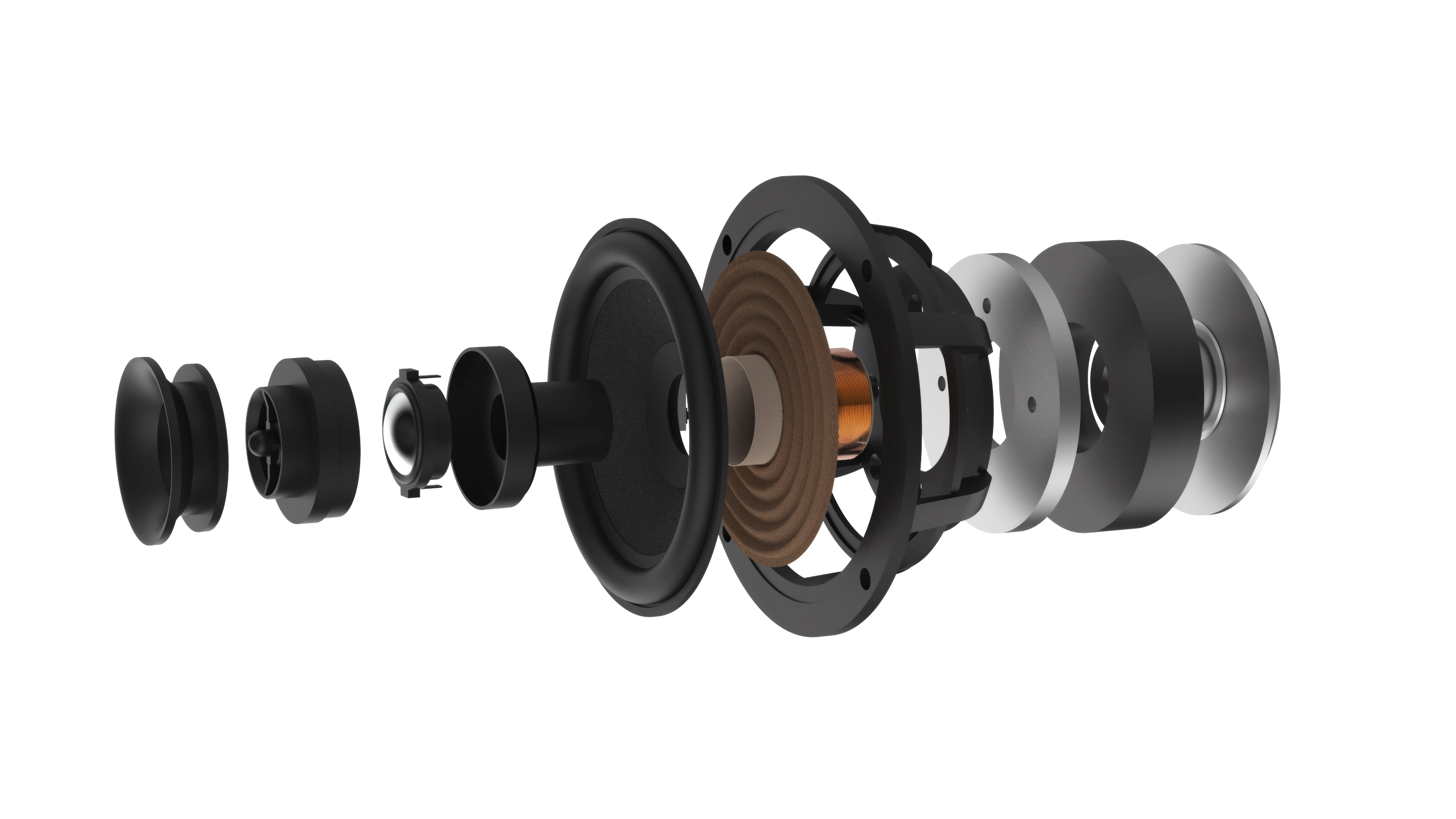
Transducer design
Drivers developed for the acoustic needs of your product. Diaphragm material, motor and suspension are chosen for stiffness, damping, excursion and consistency, and every design is evaluated in the cabinet it will work in.
-
Enclosure and system acoustics
Cabinet volume, ports, passive radiators and driver placement designed with the drivers, so bass extension, dispersion and imaging are planned from the start. The work covers soundbars with up-firing channels, compact active speakers and ceiling installations.
-
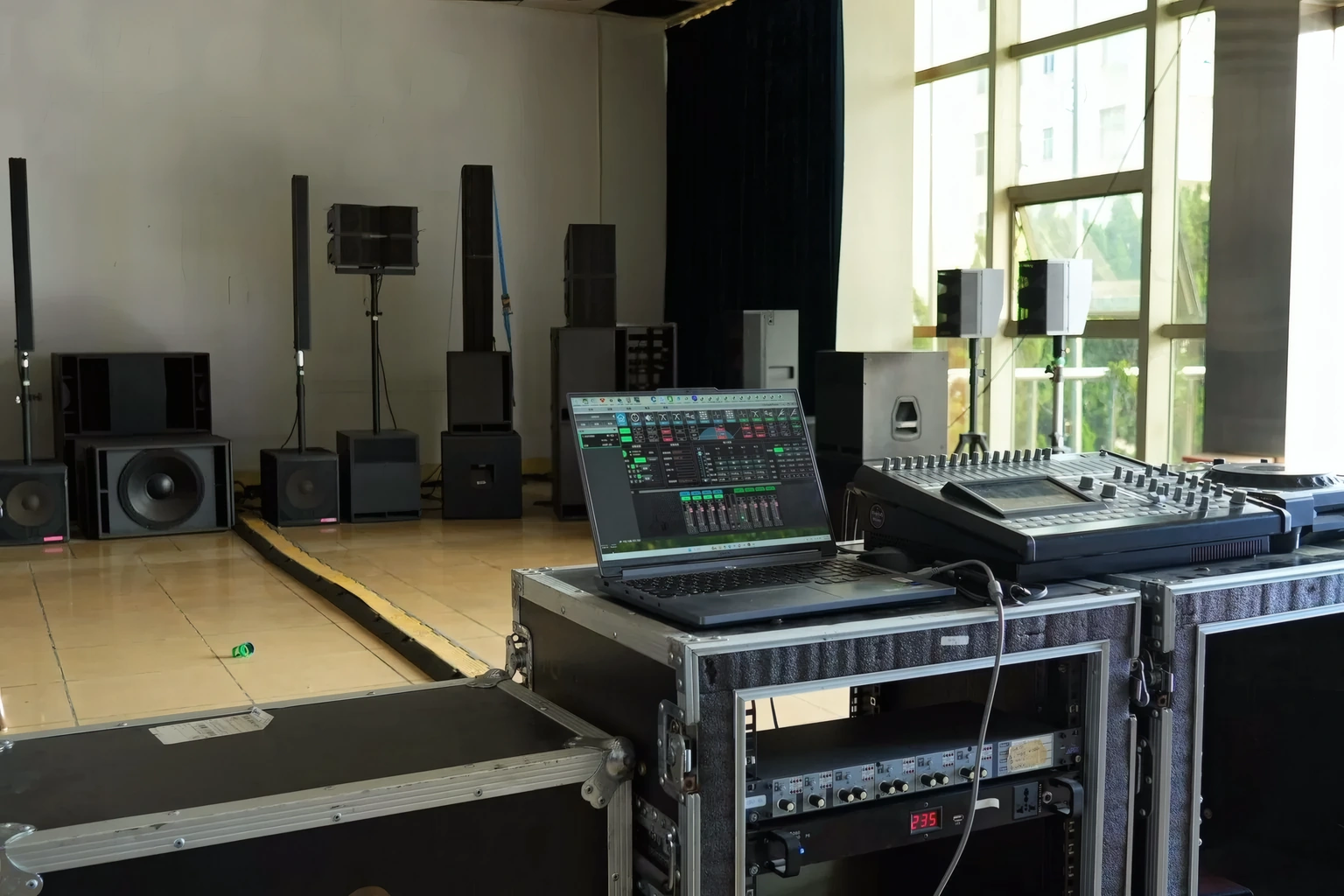
DSP tuning and voicing
Crossover, EQ and dynamic behaviour tuned on the finished hardware against the sound target agreed with your team, combining measurement with structured listening reviews. Settings are cross-checked with the electronics team before each release.
-
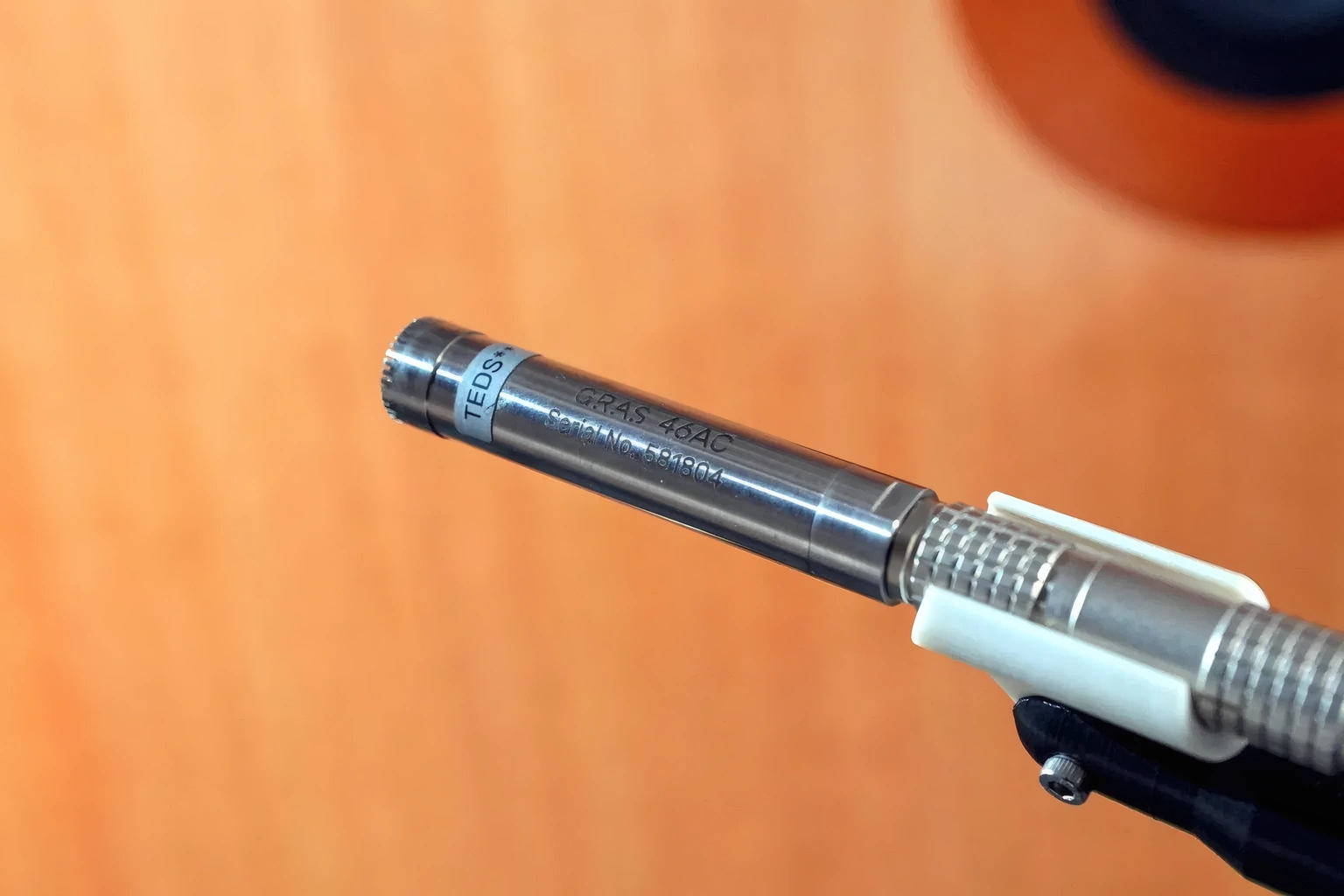
Voice and microphone acoustics
For products with voice control or calling, microphone choice, placement, sealing and isolation are designed with the enclosure, then verified for echo, noise and double-talk behaviour in our voice test lab.
How We Work
From sound target to production checks.
-
Agree the target
Tonal balance, output, distortion, dispersion, size and cost limits, with the reference products your team listens to. -
Model the options
Simulate driver and cabinet alternatives, and settle performance and cost trade-offs before tooling. -
Prototype and measure
Build prototypes, measure them in the chamber and refine them over several iterations. -
Carry into production
Turn measurement targets into fixtures, test limits and repeatable supply.
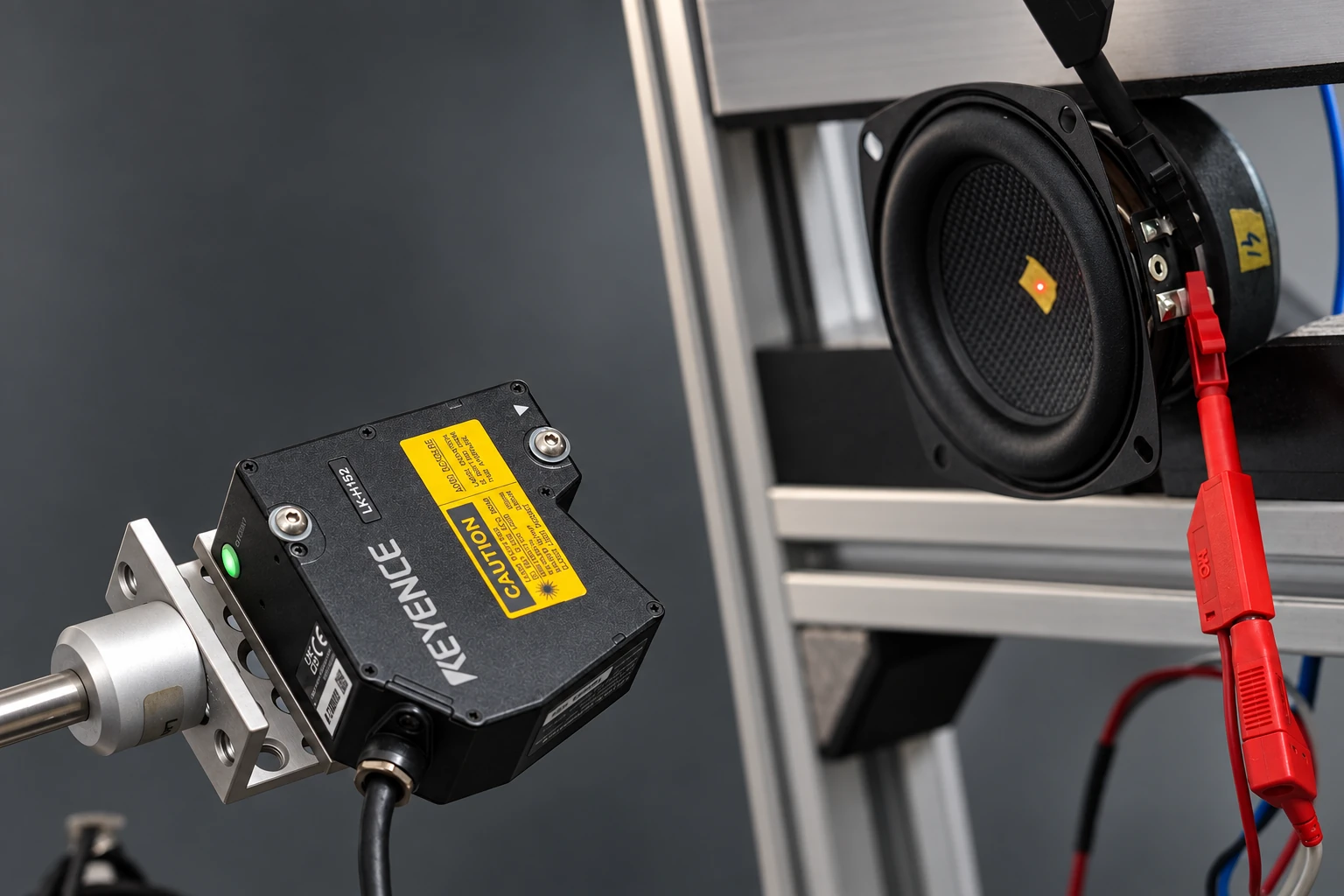
A calibrated loop between models and real parts.
Klippel measurements of materials and suspensions are fed into COMSOL models, and simulated designs are compared with measured results. Each iteration starts from data that reflects the real part, and your engineers can review the same results we use.
- SimulationCOMSOL multiphysics, Loudsoft and FINE Motor for motor, diaphragm and cabinet.
- Driver analysisKlippel KA3 linear, large-signal and distortion modules.
- Long excursionLong-range laser heads keep data stable on long-stroke drivers.
- System measurementAudio Precision APx, CLIO and the anechoic chamber.
- Incoming partsNon-contact geometry scanning against drawing tolerance.
Engage the acoustic team at the level your program needs.
From adapting a proven driver to leading a complete product, the scope is agreed with your team at the start.
- Reference driver adaptationA proven driver adapted to your cabinet and sound target.
- New driver developmentA new transducer designed around a defined acoustic problem.
- Driver plus system tuningDriver, enclosure and DSP developed as one package.
- Driver-to-production ODMAcoustic development carried through to mass production.
Start the Conversation
Discuss your acoustic requirements.
Share the product format, enclosure limits, output and sound targets, and any driver specifications or drawings you already have. Our acoustic team will review them and suggest a starting point.