

ID / Mechanical Integration
Industrial design and mechanical integration for audio products.
We turn your design language into an enclosure that our own molding and wood shops can produce.
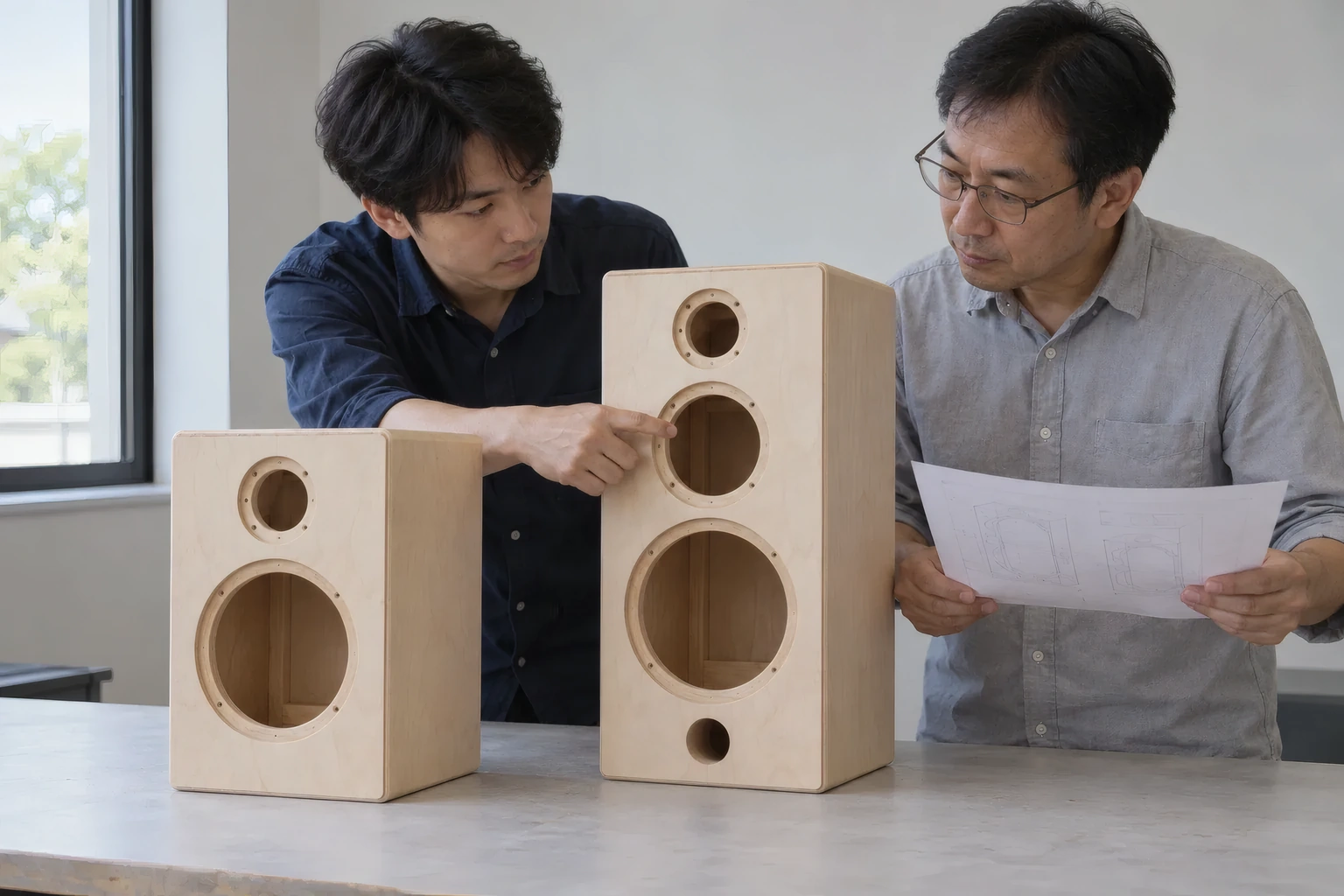
Working from your design intent.
Most programs begin with a brand's own design language or concept. Our ID engineers work with your designers to keep that intent while resolving what the product needs inside: driver volumes, port space, boards, thermal paths and assembly access.
Because the ID engineers sit with the acoustic and electronics teams, form decisions are checked against sound, heat and assembly while they are being made.
What We Do
From design concept to production part.
Four areas of work, carried out alongside the acoustic and electronics teams so the exterior and the inside of the product are resolved together.
-
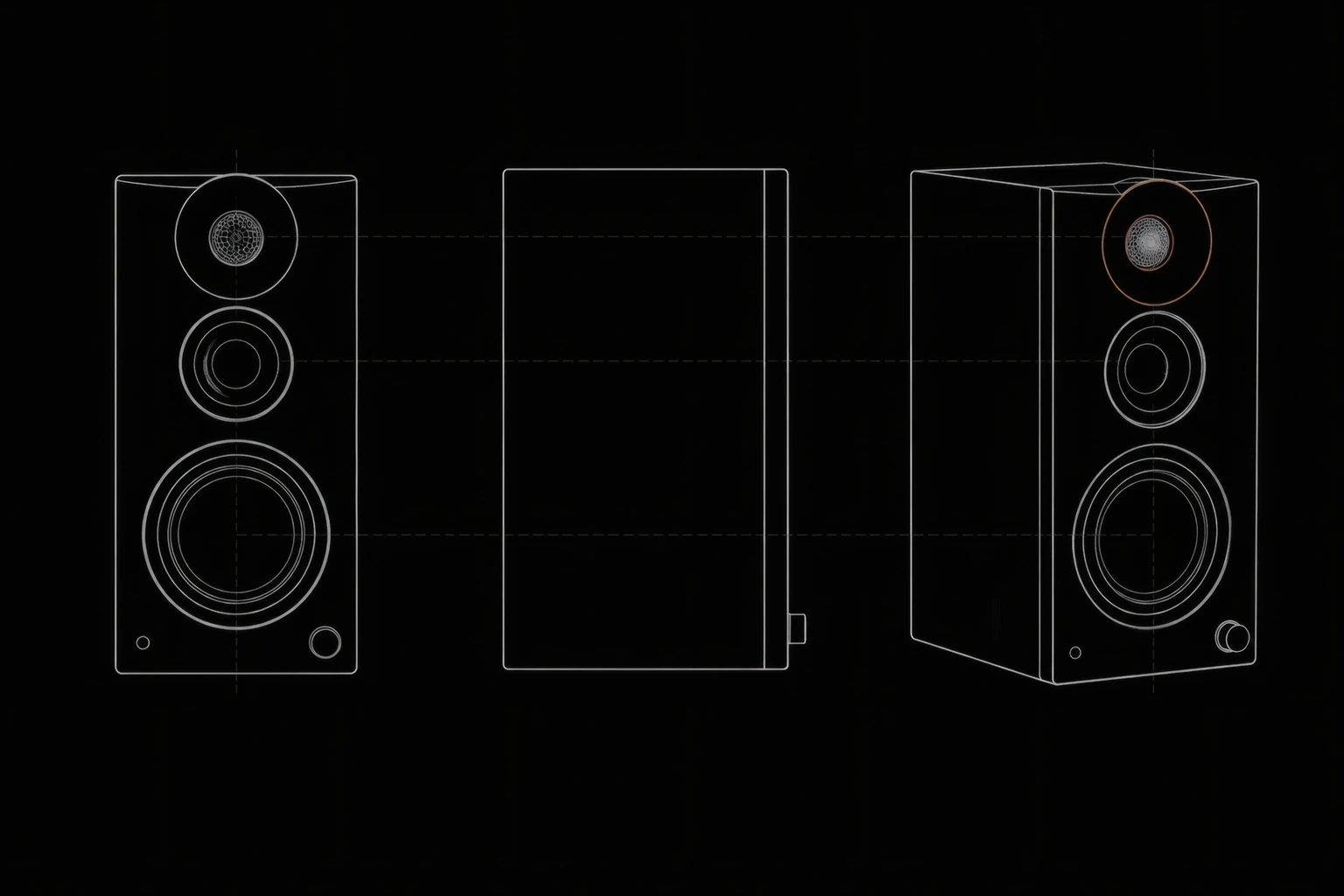
ID development and refinement
We refine the exterior with your design team: proportions, grille and control details, and variants for different tiers or markets, checked against the acoustic and electronic package from the first sketches.
-
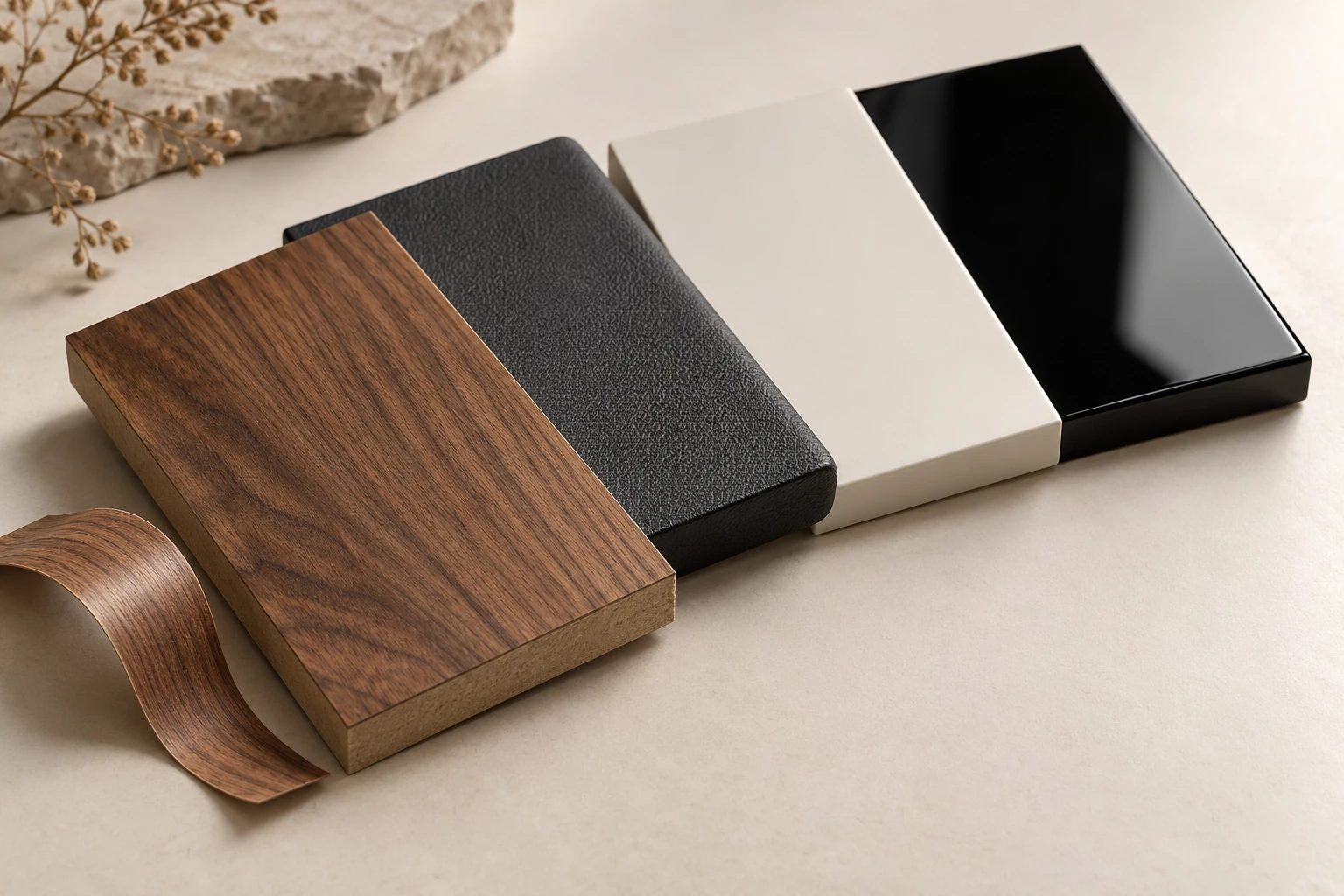
CMF and surface finishing
Material, colour and finish routes chosen for appearance, durability and production consistency, from veneer and piano finishes on wood to painted and printed plastics.
-
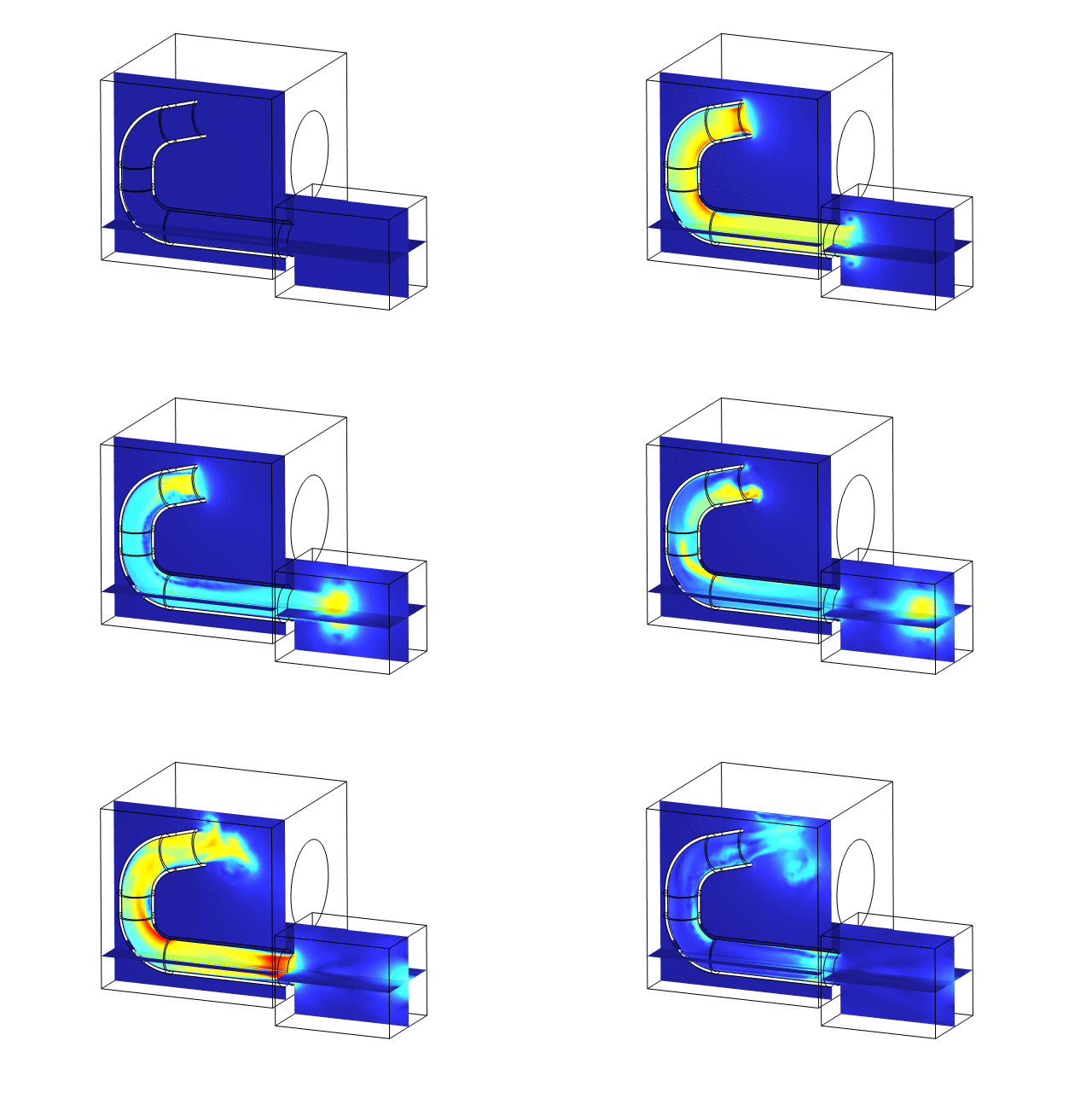
Enclosure engineering
Structure designed around driver volumes, ports, bracing and baffle geometry, with space planned for boards, antennas, cabling and heat. Plastic, wood and hybrid constructions are compared for stiffness, weight and cost.
-
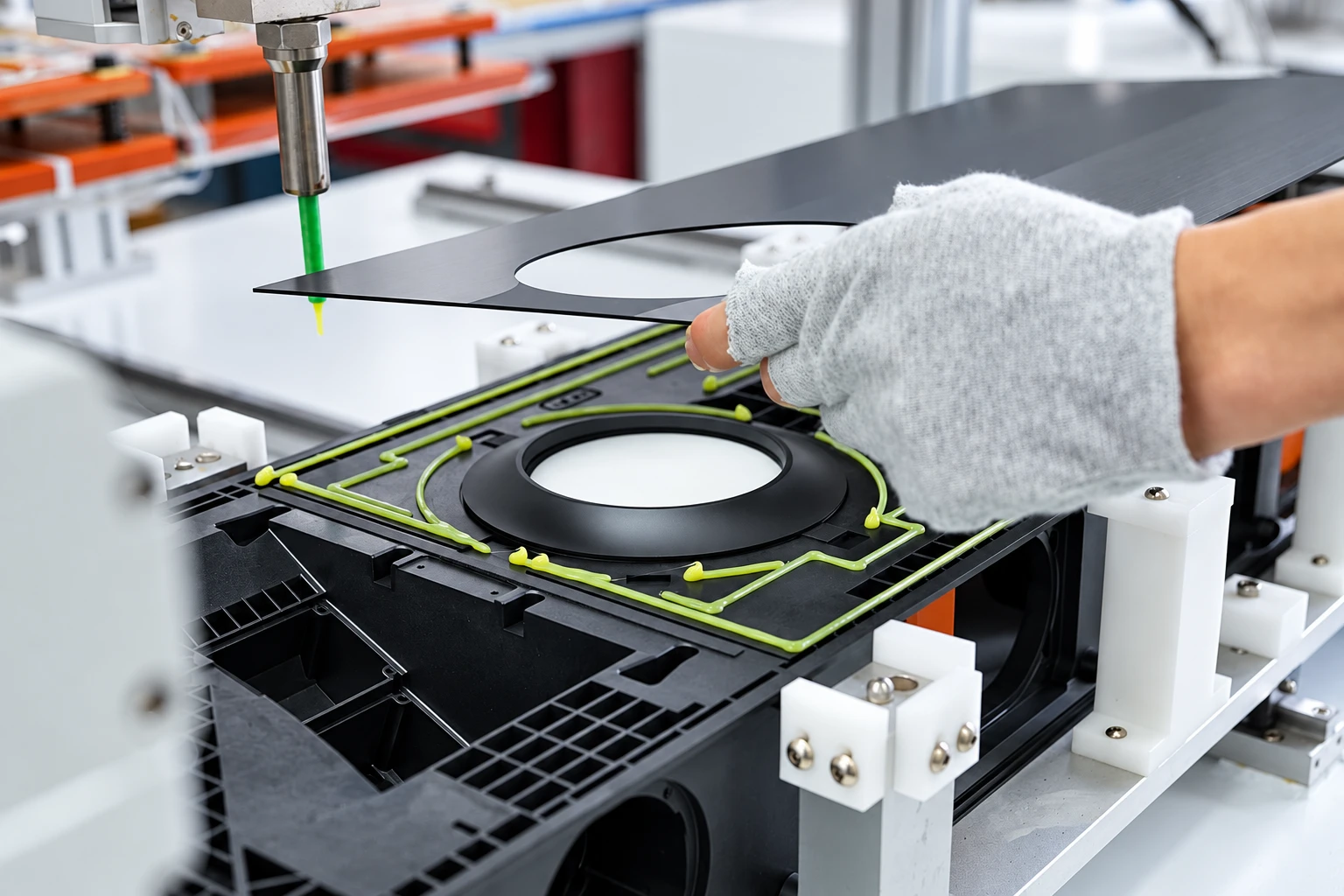
DFM, tooling and prototypes
Parts reviewed for molding and assembly before tooling release, prototypes built for fit checks, and first-off parts measured against drawing tolerance before appearance is signed off.
How We Work
How a design moves into production.
-
Brief and references
Design references, target market, price tier and the components the enclosure must hold. -
Engineering the form
Structure, volumes and materials developed with acoustics, with options reviewed together. -
Samples and tooling
Prototypes, finish samples and tooling trials, with findings fed back into the design. -
Production sign-off
Dimensional and appearance approval, then transfer to mass production.
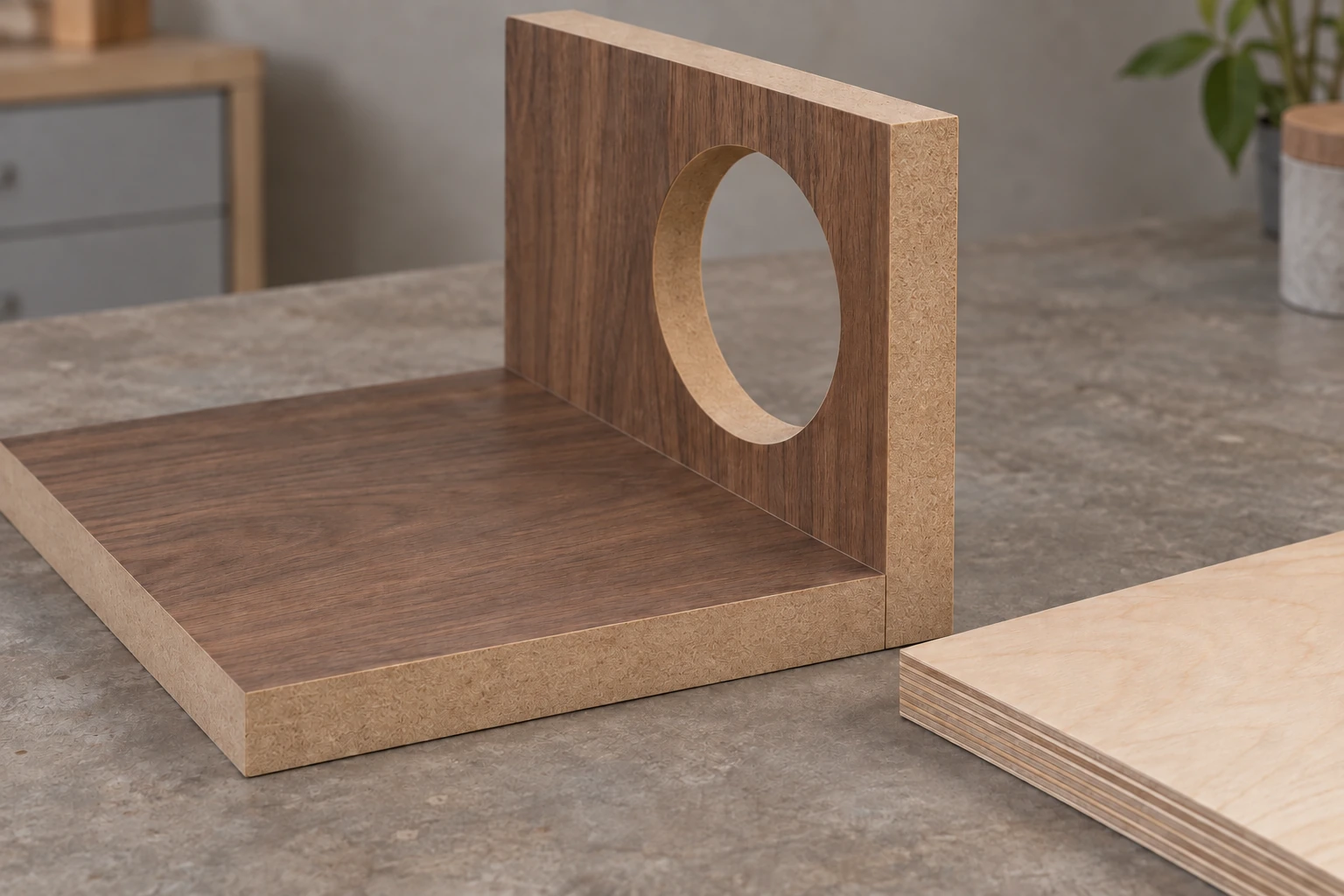
Wood and molded cabinets from our own factories.
Injection molding, painting, printing and the wood cabinet workshop are part of Jazz Hipster's own production. Finish samples and design changes are tested on real parts, and appearance standards are agreed with the teams who will produce them.
- MoldingInjection molding with painting, printing and ultrasonic welding.
- WoodMDF and plywood, high-speed CNC machining and a paint shop.
- FinishesDecades of veneer, vinyl and piano-finish cabinet work.
- GeometryKeyence non-contact scanning against drawing tolerance.
Bring a finished design, or develop one with us.
Design ownership is agreed at the start of the program, so your brand team keeps the decisions that matter to it.
- Engineer your designYour ID team leads; we make the design buildable and keep its intent.
- Co-develop the designOur ID engineers develop form and CMF with your brand team.
- Refresh a productNew finishes, materials or variants on an existing platform.
- Full programID and mechanical work within a complete ODM program.
Start the Conversation
Bring the design into focus.
Share your design references or concept, approximate dimensions, preferred materials and finishes, and the components the product must hold. We will review the design and engineering path with you.